How to Run a Trivia Night (and Actually Raise Something)
Someone has volunteered you to run the trivia night. Probably the same someone who "can't do dates" but is somehow very free to have opinions about the prizes. Here is how to run a trivia night that raises real money and doesn't end in a scoring dispute at table six: pick a goal, sell tables of eight, write questions most people can actually answer, and sort the money before the venue deposit falls due. The theme and the wooden spoon are the fun part. The running of it is where the night is won or lost. Let's do both, one beer in.
Start with the goal, not the questions
Before you write a single question about which Hemsworth is which, decide what the night is for. "Raise five grand for the new shade sails" is a goal. "Have a nice time" is a vibe, and a vibe won't tell you what to charge or how many tables you need to sell.
Work backwards from the number. A well-run community trivia night in Australia raises anywhere from $1,000 to $10,000 in a single evening, and the maths is not mysterious. If you need $5,000 and you're selling tables of ten at $150, that's about 33 tables, or 330 people, plus whatever the raffle and the bar bring in. Now you know the size of the room you need, the number of volunteers, and whether "the local bowlo function room" is big enough or wishful thinking.
Give yourself six to eight weeks to promote and sell. If it's your first one ever, make it three to four months, because the first of anything always takes longer than you think.
The format: six to eight rounds of ten, and the 80 percent rule
Here is the part people overthink. A standard trivia night is six to eight rounds of ten questions, which is seventy-odd questions total, and it runs about two hours with a couple of breaks. You do not need to reinvent the quiz. You need to reinvent nothing.
The one number that actually matters is difficulty. Aim for a room where about 80 percent of questions get answered correctly across the tables. A rule of thumb per round: three or four easy, three or four medium, two or three genuinely hard. A quiz that's too hard isn't clever, it's a room full of people quietly checking their phones and one bloke insisting the answer is definitely Peru. Nobody buys a second table next year for that.
Mix the round types so it doesn't drag:
- A picture round (logos, landmarks, celebrities aged badly).
- An audio round (song intros, TV themes, and yes, at least one A.R. Rahman track, I don't make the rules, I am the rules).
- A wildcard round on something hyper-local, which is where the aunties who "don't do trivia" suddenly become lethal.
- A final wager round where teams bet their points, for drama.
- A tiebreaker held in reserve: one question nobody could reasonably know, closest guess wins. It's democracy for people who peaked in Year 9 geography.
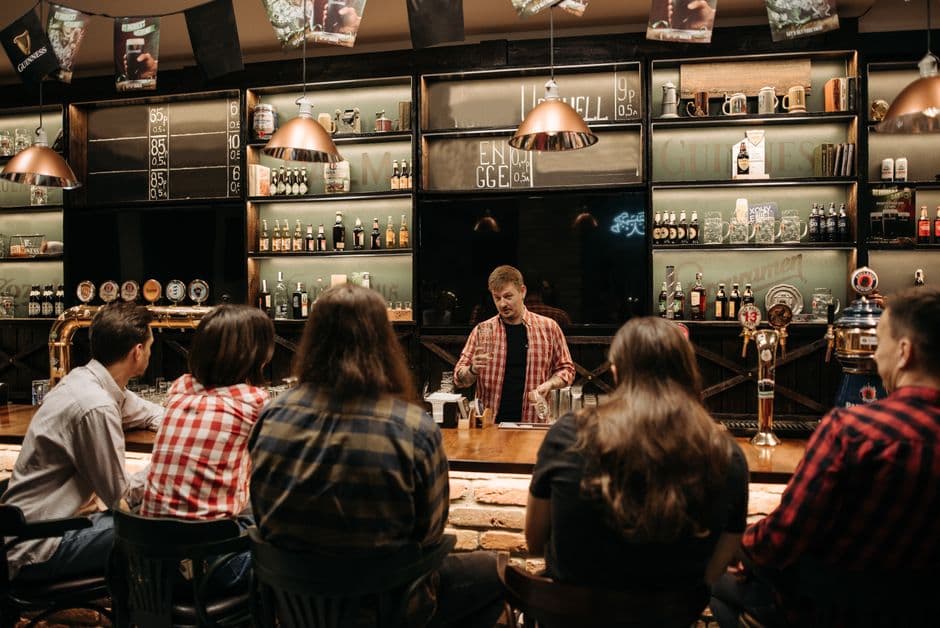
Teams sit on tables of eight to ten. Smaller groups get merged onto a table, both because it fills the room and because a table of two has no chance and knows it. Scoring is easiest the old-fashioned way: teams swap answer sheets with the next table, you read the answers out, sheets come back, running totals announced after each round so there's a villain to chase.

Your crew: five or six people who each own one thing
You cannot run a trivia night solo. Being the MC, the scorekeeper, and the person selling raffle tickets all at the same time is the fastest way to turn one person into a cautionary tale.
The minimum crew, each owning exactly one job:
- An MC / quizmaster who reads clearly, keeps pace, and is not so funny that the night runs to eleven o'clock. (You are hosting a quiz, not opening for a comedian. One good joke per round is plenty.)
- A question writer, ideally not the MC, so the MC doesn't know the answers and can't be accused of it.
- Score keepers and runners, roughly one runner per four to six tables, collecting and returning sheets between rounds.
- A door and ticketing person who checks tables in and handles late arrivals.
- A bar / drinks person if the venue isn't running that themselves.
- A prize and raffle coordinator so the raffle actually gets drawn instead of being "later, when I find the tickets".
That is five or six core roles, but the real headcount grows with the room. On the one-runner-per-four-to-six-tables ratio above, a 30-table night needs five to eight runners on its own, and a bar person on top of that if the venue is not pouring, so a big fundraiser can easily need ten or more hands. Cover fewer of these roles than you should and someone ends up doing three jobs and hating the night. This is also why a written event run sheet earns its keep: one page that says who does what and when, so nobody's improvising when the room fills up.
Sell tables, not tickets, and get the money before the deposit is due
This is the bit every overseas guide waves at and none of them actually explains. Two things decide whether the money side is smooth or a fortnight of chasing bank transfers.
Sell by the table, not by the head. A table of ten at $150 consistently outsells ten separate $15 tickets, because one person (the table captain) rounds up their mates and pays once, and you get a clean headcount instead of a running tally of maybes. Sell those tables online so the payment happens at booking, not in a cash scrum at the door. That gives you the number the caterer and the venue actually need, and it doubles as your guest list and RSVPs without a side spreadsheet.
Watch when the money lands, not just how much. A community group I know sold beautifully through a platform that held every dollar until after the event, then went to pay the venue deposit and discovered they couldn't reach their own cash. Great sales, deposit overdue, panic. It's the plumbing you don't check until it backs up. Check payout timing before you pick a platform. On Ticketted the money moves to your bank via Stripe on its standard payout schedule as sales come in, rather than being held until the event ends. Exact timing depends on your Stripe account, so check your first expected payout date before you count on ticket money for the venue deposit.
And here's the one strong opinion I'll plant in this post: a fundraiser should never be on the full commercial fee. Ticketted's not-for-profit rate is 2.45% + 45c per ticket for schools and charities, against the standard 3.95% + 95c. If your platform charges a P&C committee the same rate as a corporate product launch, that's a choice they made, not a law of physics.
| Event type | Ticketted fee | On a $150 table |
|---|---|---|
| Charity / school fundraiser | 2.45% + 45c per ticket | Fee about $4.13, so you net about $145.87 (or $150 if the buyer covers the fee) |
| Standard paid event | 3.95% + 95c per ticket | Fee about $6.88, so you net about $143.12 (or $150 if the buyer covers the fee) |
| Free event (RSVP only) | $0 | You net the lot |
The fees above are rounded to the nearest cent on a single $150 table ticket, then taken off the $150. Decide who covers the fee on purpose. Let the buyer cover it and a $150 table reads as $150-something on the first screen, honest and all-in, instead of a number that quietly balloons at the card form. That last trick, the price that grows on the way to checkout, is exactly the drip pricing the ACCC has been circling for years. Don't do it to your own supporters.
The money-on-the-night menu (and the Australian permit bit)
The tables get you in the black. The extras are where a good night becomes a great result:
- A raffle with donated prizes (the single biggest earner most nights).
- A 50/50 draw, where the pot is split between the winner and the cause.
- Mulligans: buy a free pass on a wrong answer, a dollar each or ten for ten. Keep the price low so people buy them by the handful instead of weighing up each one.
- A silent auction for the bigger donated items.
- Sponsor-a-round: a local business puts $100 to $200 on naming a round, logo on the answer sheet, warm glow all round.
Now the part the American guides genuinely cannot help you with, because it isn't their law. In Australia, a raffle can need a permit. What you need varies by state and territory and by the type of raffle you run, not by one national prize-value number. NSW, for instance, applies different conditions depending on the raffle type and the venue and prizes involved. So before you print raffle books, check the rules with your own state or territory authority (in NSW that's Liquor & Gaming NSW, and every state and territory has an equivalent). It's paperwork, not a boss fight, but do it before the night, not after someone asks.
Same deal with the bar. If the venue is licensed and running the drinks, you are most of the way there, but do not assume it is automatically covered: check the venue's licence conditions, confirm whether your event needs any extra authorisation, and make sure whoever is pouring is RSA-trained. If you're hiring a bare hall and selling alcohol yourself, you need the right licence (some states offer a limited or single-function licence aimed at community groups) and someone with responsible-service-of-alcohol training actually pouring. Start at your state liquor authority's licence pages and sort it once. "Responsible service of alcohol" is on nobody's trivia-night mood board. Neither is a fine.
One more that gets forgotten: GST, which is really two separate questions people tend to blur together. The first is whether your group has to register for GST at all, which turns on your entity type and turnover (not-for-profits get a higher registration threshold). The second is whether a given event's ticket sales are actually taxable, because eligible entities can treat some fundraising events as GST-free under the ATO's fundraising concessions. It's rarely an issue for a one-off school quiz, but before you assume it's all clear, confirm your entity status, whether you need to register, and how this event is treated with your treasurer or accountant, using the ATO's not-for-profit guidance as a starting point.
Promote it, then run the door without a queue to the car park
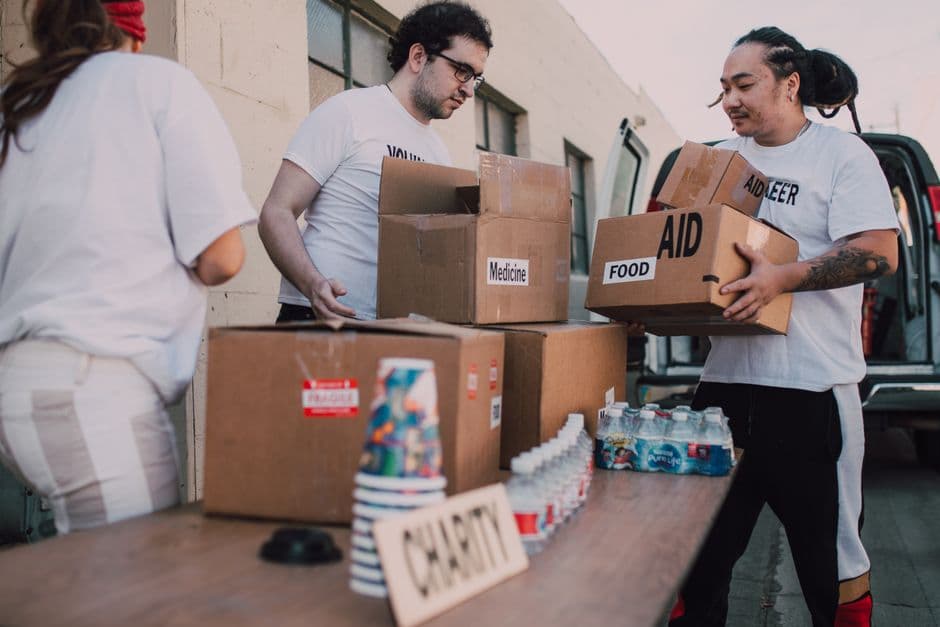
Nobody buys a table for an event they never heard about. Six to eight weeks out, put it everywhere your people already are: the school newsletter, the club's Facebook, the group chats, a flyer on the noticeboard, and a personal ask to the six people who always bring a full table. Word of mouth sells more tables than any poster, so make it easy for a captain to grab their crew and book in one go. A gentle reminder the day before also does more for turnout than people expect, and it's free.
Then there's the door. My very first event, back in 2014, was a uni Diwali show with two hundred tickets, one clipboard, and a check-in queue that genuinely reached the car park before the first act. Do not be me. If you've sold tables online, checking people in is a quick scan or a name-tick against the list you already have, not a hunt down a printed page while thirty people breathe on your neck. Keep the door list, the comps, and the paid tables in one place so the same table doesn't get sold and gifted, and the night starts on time instead of at "7, so really 7:45".
When you don't need any of this
Here's the part I'm contractually obliged to talk myself out of a signup for. If your trivia night is twelve mates in a lounge room, or the same eight regulars at the pub every Tuesday, you need none of the above. No platform, no tables sold online, no permit. A group chat, a booked table, and a bowl for the raffle money is the entire plan, and it's a good one.
You only need real ticketing once the numbers get big enough that memory and goodwill stop scaling: roughly the point where you're selling to people you can't name off the top of your head, or the money coming in is enough that you'd hate to lose track of it. Below that, put the energy into the questions, not the tech. A trivia night lives or dies on whether the room is having a good time, and no software has ever fixed a boring quiz.
If you're past that line, though, and you're running a proper community or school fundraiser, the same logic in our school fundraiser guide and our fundraising ideas rundown applies here too: sell the tables, keep one list, get the money early.
Trivia night FAQ
How do you organise a trivia night fundraiser? Set a fundraising goal, book a venue that fits the headcount you need to hit it, line up five or six volunteers, and pick a date six to eight weeks out. Write six to eight rounds of ten questions, sell tables of eight to ten online so payment and headcount are sorted before the night, and plan your extra earners (raffle, 50/50, silent auction). On the night, run a tight two hours with a couple of short breaks and draw the raffle before people leave.
How many rounds should a trivia night have? Six to eight rounds of ten questions is the standard, giving you around seventy questions over about two hours. Fewer than five rounds feels short for the ticket price, more than eight and the room starts to fade. Break it up with a picture round and an audio round so it isn't seventy straight general-knowledge questions.
How much should you charge per table at a trivia night? For a fundraiser, selling by the table beats selling by the head. A table of eight to ten commonly goes for $100 to $200, with $150 a table of ten being a comfortable middle. Add an early-bird price to push people to book early, and remember the raffle and bar often bring in as much again on top of table sales.
How many people do you need for a trivia night? It works from about fifteen or twenty people up to a few hundred, with the sweet spot for a fundraiser around forty to a hundred. A hundred people on well-sold tables can clear $1,000 or more once you add the raffle. Below fifteen it's less "trivia night" and more "quiz with your mates", which is lovely but doesn't need tickets.
How long should a trivia night last? About two hours of actual quiz, or roughly two to two and a half hours all up including breaks. Two or three short breaks (ten minutes each, twenty to thirty minutes total) let people get a drink, buy raffle tickets, and stretch, without letting the energy leak out of the room.
Do I need a permit to run a raffle at a trivia night? Possibly. In Australia, raffles fall under state and territory community-gaming rules, and a permit is often required once the total prize value crosses a set threshold. Check your state's fair-trading or liquor-and-gaming authority before you sell raffle tickets. Small, low-value raffles are frequently exempt, but confirm rather than assume.
How many volunteers do you need to run a trivia night? Five or six is the practical minimum: an MC, a question writer, one or two score runners (about one per four to six tables), a door/ticketing person, and someone on prizes and the raffle. A bar person too if the venue isn't handling drinks. Fewer than that and one person ends up doing three jobs and not enjoying a minute of it.
What equipment do you need for a trivia night? A PA or good speaker so the MC can be heard, a screen or projector for the picture round, printed answer sheets and pens on every table, a way to play audio for the music round, and a scoring setup (paper and a running tally works fine). If you're taking table payments and raffle money, a phone that can take card or a QR code beats a cash tin and a long queue.
Still stuck? Give us a call
If your trivia night has quietly grown from "a few tables in the hall" to "apparently the whole school plus the netball club", that's a good problem, and it's one we sort constantly. Email support@ticketted.com or call 0452 590 455 and you'll get a real person, usually inside the hour, any day of the week. We'll help you set up tables people can buy online, a single list you can trust, and payouts that land before the deposit's due. We will not, however, settle whether the answer was Peru. Some disputes are between you and table six.
Keep reading

40th Birthday Party Ideas: Themes, Surprise and Cost
40th birthday party ideas that go past the themes: plan a surprise, sort the guest list and RSVPs, decide who pays, and the Australian liquor and budget bits.

Kids Birthday Party Ideas: Themes, Headcount and Cost
Kids birthday party ideas that go past the themes: pick the guest list first, get an RSVP the caterer can trust, sort who pays, and a rough Australian budget.

Baby Shower Ideas: Themes, Who Hosts and the Money Bit
Baby shower ideas that go past the themes: who hosts (not the mum-to-be), pick the size, get an RSVP the caterer can trust, and collect for a group gift without the chase.
More where this came from
Ticketted guides on pricing, payouts and packing rooms out, straight to your inbox. No spam, unsubscribe anytime.
No spam, unsubscribe at any time.