Fundraising Ideas That Actually Make Money (Not Just Noise)
Search "fundraising ideas" and you'll drown in lists of forty things you could do, ranked by nothing except how nice the stock photo looked. A cake stall and a black-tie gala sit side by side as if they raise the same money. They do not. One buys a new library book. The other buys the library.
So here's the honest version. The best fundraising ideas are the ones your crowd will actually turn up for, pay for, and that clear a real profit once you've paid for the sausages. Everything else is a craft project with a donation tin next to it.
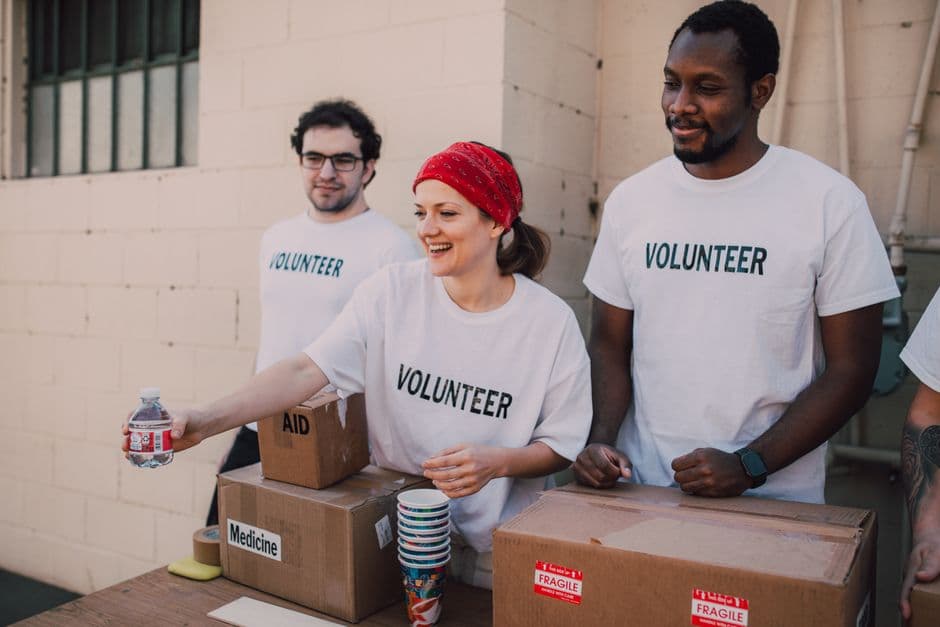
First, pick the idea that fits your crowd
Every list online tells you what to run. Almost none of them tell you the only question that matters first: who's turning up, and what will they happily pay for?
A P&C of young families packs out a movie night and a mufti day. A footy club fills a trivia night and a golf day. A retiree-heavy community group will buy raffle tickets all afternoon and leave a fun run completely alone. Same suburb, three different crowds, three different answers. Match the idea to the people, not to the Pinterest board.
Then do the maths before you commit, not after. Write down two numbers: what it costs to run, and what you'll realistically take. If a chocolate drive nets you 50c a box after the supplier's cut, and you're selling 200 boxes, that's a hundred dollars for three weeks of nagging Year 4s. Sometimes the answer is "this idea is a lovely way to raise almost nothing."
The fundraising ideas that actually make money
Here's the part the listicles skip: not all fundraisers are built the same. Broadly, they fall into four buckets, and the returns are wildly different.

Events people buy a ticket to. Trivia nights, gala dinners, comedy nights, live music, fun runs, colour runs, golf days. These are the earners, because you're selling a ticket and you can stack a raffle, an auction, or a bar on top. A trivia night is the classic for a reason: cheap to run, a room full of paying tables, and a raffle at half-time while everyone's already got their wallet out. This is the ground worth playing on.
Sell a product. Chocolate boxes, entertainment books, cookbooks, tea towels printed with the kids' drawings, plant and seedling drives. These work, but a supplier is taking a slice of every unit, so your margin is thinner than it looks. Fine as a side earner. A rough deal as your main event.
Do-a-thing, get sponsored. Walkathons, head shaves, "do it in a dress", a read-a-thon, a 24-hour anything. Low cost, and the money comes from pledges rather than your own outlay, so the return-on-effort is genuinely good. The catch is chasing people for the money they pledged, which is its own second job.
The easy cash-on-the-day ones. Sausage sizzles, bake sales, car washes, free-dress days, a simple raffle. Small money each, but cheap, cheerful, and quick. Nobody ever lost a fortune on a snag and a piece of white bread.
Here's the rough shape of it, so you can pick with your eyes open:
| Idea type | Effort to run | Return | Best for |
|---|---|---|---|
| Ticketed event (trivia, gala, fun run) | Medium to high | High | Clubs, schools, community groups with a crowd |
| Sell a product | Medium | Medium (supplier takes a cut) | A side earner alongside a main event |
| Sponsored challenge | Low to medium | Medium to high | Schools and cause-driven groups |
| Cash on the day (BBQ, bake sale, raffle) | Low | Low to medium | Filling a gap, first-timers, small goals |
Notice the pattern. The more you can charge for a ticket, the more the whole night is worth. That's not a coincidence, and it's the reason the "sell tickets" bucket keeps winning.
The Australian bits the overseas lists skip
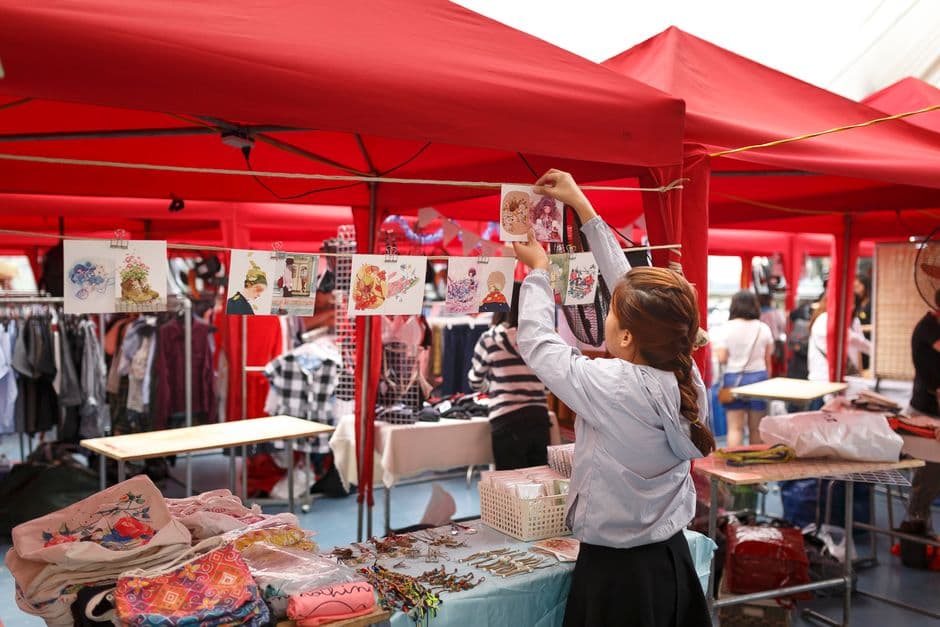
Most "best fundraising ideas" articles are written for the US and quietly assume American rules. A few things are genuinely different here, and getting them wrong is how a good night becomes a bad phone call.
- Raffles have rules, and they vary by state. Community raffles and lotteries are regulated, and whether you need a permit depends on where you are and how big the prize pool is. In NSW, a small non-profit raffle generally doesn't need an authority, but bigger ones and other gaming activities do, and every state draws the line differently. Check your own state's regulator before you sell a single ticket. NSW Fair Trading's community gaming page is the starting point if you're here.
- GST kicks in later for not-for-profits. An ordinary business registers for GST at $75,000 turnover. A not-for-profit doesn't have to until $150,000, per the ATO's GST guidance. Most school and community fundraisers sit comfortably under that, but know the number before you have a bumper year.
- Only an endorsed deductible gift recipient can give tax-deductible receipts. Being registered as a charity with the ACNC isn't enough on its own; deductible gift recipient (DGR) status is a separate endorsement from the ATO. And a gift has to be a genuine gift, so raffle tickets, auction buys and event entry generally aren't tax-deductible, because the buyer gets something in return. A P&C or social club usually isn't set up as a DGR, and that's fine. Just don't promise a tax receipt you can't legally hand over.
None of this is scary. It's a fifteen-minute check that saves you a very awkward conversation with a parent who's an accountant.
When your fundraiser needs ticketing (and when a jar will do)
Here's the part a ticketing company isn't supposed to say. Plenty of fundraisers don't need a platform at all.
A bake sale needs a table and a tin. A free-dress day needs a note home and a coin slot. A sausage sizzle needs a Bunnings booking and someone who can be trusted near onions. If that's your fundraiser, keep your money and your Saturday, and don't let anyone sell you software for it.
You start needing real ticketing the moment money moves before the day: a trivia night with tables selling out in advance, a gala with a seating plan, a fun run with paid entries and a cap. Once you're taking payment up front, you want the tickets, the headcount, and the money sorted in one place instead of a spreadsheet and forty unread Messenger requests.
Two honest things about the money when you get there. First, charities and schools should never pay full commercial fees for the privilege of raising money, which is why our not-for-profit rate is 2.45% + 45c per ticket, about a dollar on a $25 trivia seat, and a genuinely free event costs $0, no per-ticket fee sprung on your guests at the last screen. Run your own number through the event fee calculator before you set a price.
Second, check when the money actually lands. A community group I heard about sold a fundraiser out on another platform, then went to pay the venue deposit and found the platform holds all the funds until after the event. Great sales, no cash, deposit overdue. It's the plumbing you don't check until it backs up. On Ticketted the money moves via Stripe on its standard payout schedule as sales come in, rather than being held until after the event, so the cash starts arriving while the night's still weeks away.
The rest is logistics you already know: send the 24-hour reminder so your sold-out room doesn't turn up half empty, and scan people in on a phone at the door with the check-in tools instead of hunting names down a printed list. If it's specifically a school event, we wrote a whole guide on selling tickets for a school fundraiser that gets into the gate and the payout timing.
Fundraising ideas FAQ
What are the best fundraising ideas? The ones your crowd will actually pay for and that clear a profit after costs. For most clubs, schools and community groups, a ticketed event (trivia night, gala dinner, fun run) out-earns everything else, because you sell a ticket and can add a raffle, auction or bar on top.
What are some easy fundraising ideas? Cash-on-the-day ones with almost no setup: a sausage sizzle, a bake sale, a car wash, a free-dress day, or a simple raffle. Each raises modest money, but they're cheap, quick, and hard to get wrong.
What's the best fundraising idea for a school? A movie night, a colour run, or a mufti day for the whole-school crowd, plus a trivia night for the parents. Schools have two audiences (kids and parents), and the biggest nights run something for each.
Do you need a permit to run a raffle in Australia? It depends on your state and the size of the prize pool. Community raffles are regulated, and the rules differ everywhere, so check your state's gaming or fair-trading regulator before selling tickets. In NSW, small non-profit raffles generally don't need an authority; bigger ones do.
Is fundraising money taxable? For a registered charity, most fundraising income is tax-exempt, but GST can still apply once your turnover passes the $150,000 not-for-profit threshold. If you're not a charity, the treatment differs, so check the ATO guidance or your accountant for your situation.
How much can a trivia night raise? It comes down to seats times ticket price, plus whatever you add on the night. A room of 100 at $25 a head is $2,500 before you've sold a single raffle ticket or run the auction, which is where the real money usually lands.
Do free fundraising events cost anything to run online? On Ticketted, a free event is $0, with no per-ticket fee and no cap on attendees. So if you're taking free RSVPs for a community day, you can manage the headcount without handing a slice to a platform.
What's a good fundraiser for a small community group? Start small and cash-based: a raffle, a BBQ, or a quiz night at the local. You don't need a gala and a seating plan to raise a few thousand dollars. Match the ambition to the crowd you can actually fill a room with.
Still stuck? Give us a call
You don't need forty ideas. You need one your people will show up for, and the nerve to book the room. Pick the earner, sort the raffle permit, and check the money lands before the deposit's due.
When you're ready to sell the tickets, we're here. Flick us an email at support@ticketted.com or give us a call on 0452 590 455. Usually you'll get me, usually in under an hour, and I'll happily talk through whether your idea's a trivia night or a jar-on-the-counter job. I'll also, probably, tell you a joke my daughter has legally disowned. Consider that a bonus, not a warning.
Keep reading

40th Birthday Party Ideas: Themes, Surprise and Cost
40th birthday party ideas that go past the themes: plan a surprise, sort the guest list and RSVPs, decide who pays, and the Australian liquor and budget bits.

Kids Birthday Party Ideas: Themes, Headcount and Cost
Kids birthday party ideas that go past the themes: pick the guest list first, get an RSVP the caterer can trust, sort who pays, and a rough Australian budget.

How to Become an Event Organiser in Australia (2026 Guide)
How to become an event organiser in Australia: no degree needed. Run your first event, sort an ABN, get paid fairly, and pick the right tools.
More where this came from
Ticketted guides on pricing, payouts and packing rooms out, straight to your inbox. No spam, unsubscribe anytime.
No spam, unsubscribe at any time.