The Event Run Sheet: One Page That Runs Your Whole Day
Most events don't come apart because the band bailed or the bar ran dry. They come apart because the whole plan lived in one person's head, and that person is currently out in the car park sorting a queue. An event run sheet is the fix: a single, minute-by-minute document that tells everyone what happens, when, and who's on the hook for it. Build one and most of the day runs without you chasing it. Skip it and you become the day.
What a run sheet is, and what it definitely isn't
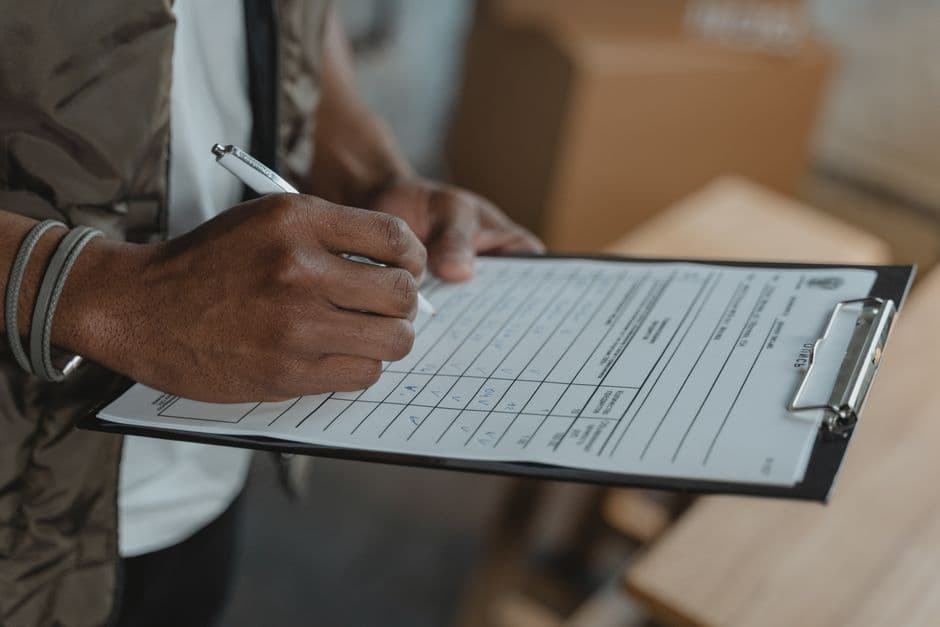
Let's answer the search first: a run sheet (some people write it "running sheet", same thing) is a chronological schedule of everything that happens on the day of your event. Bump-in at 2pm. Sound check at 4:30. Doors at 7. First act at 7:45. Not "roughly the evening". Actual times, in order, down the page.
Here's what it isn't. It isn't your event planning checklist, which is the weeks-of-prep list that gets you to the day. It isn't your budget. It isn't your marketing plan. Those are all different documents doing different jobs. The run sheet has exactly one job: on the day, when someone asks "wait, when does the raffle get drawn," the answer is on the page and nobody has to find you to get it.
I've run events for over a decade and I still call it "the sheet" like it's a single sacred object. There's no co-founder to tell me that's not a technical term, so as of this morning, it is.
What every run sheet needs (and what you can skip)
A run sheet does not need to be pretty. It needs to be skimmable at arm's length in bad lighting by someone holding a box. Five columns cover almost every event:
| Column | What goes in it |
|---|---|
| Time | The start time of each item. Use real clock times (7:45pm), not "T-minus" maths nobody wants to do at 7:44. |
| What | One task per line, short. "Doors open", "Headline act on", "Bar last drinks". |
| Where | Main stage, front of house, loading dock. Skip on a single-room event. |
| Who | The one person responsible. A name, not a team. "Everyone" means no one. |
| Notes | The detail that saves the moment: a phone number, a cue, "lights to half". |
That's it. The council templates you'll find are usually built on these same bones, and a couple are genuinely good starting points, Campbelltown City Council's event run sheet template and Port Phillip's running sheet template are free and sensible if you want a head start.
Resist the urge to add columns. A run sheet with fifteen fields is a spreadsheet nobody reads, which is the same as no run sheet, but with more admin.
A run sheet you can actually copy
Most guides describe a run sheet and then hand you an empty grid. Here's a filled-in one for a small ticketed gig, so you can see the shape and steal it:
| Time | What | Who | Notes |
|---|---|---|---|
| 2:00pm | Bump-in, PA and lights load | Dan (crew lead) | Loading dock, keys with venue |
| 4:30pm | Sound check | Dan + band | 45 min, hard stop 5:15 |
| 5:30pm | Bar and till set up | Priya | Float counted, EFTPOS tested |
| 6:30pm | Door staff briefed, scanners on | Me | QR check-in live, comps on the list |
| 7:00pm | Doors open | Priya + 1 | Watch the queue, second scanner if it banks up |
| 7:45pm | Support act on | Dan | 30 min set |
| 8:30pm | Headline act on | Dan | Photos first 3 songs only |
| 9:15pm | Raffle drawn | Me | Prizes behind the bar |
| 10:30pm | Last drinks | Priya | Announce from stage |
| 11:00pm | Bump-out | Dan + crew | Gear locked by midnight |
Notice how boring it is. That's the point. A run sheet is not where you show your creative range. It's where you make sure the raffle actually gets drawn instead of everyone realising at 11pm that the prizes are still behind the bar and the winner went home at ten.

Doors is not start time, and your run sheet should say both
Here's the one strong opinion I'll spend on this post: publish doors and start time separately, and put them on the run sheet as two different lines. Your run sheet is not the same as when people actually show up.
If your poster says "7pm" and that's when the headliner walks on, half your room misses the first three songs and the other half is still in the queue. Put doors at 7, first act at 7:45, and both on the sheet. Your crew knows the gap is deliberate. Your buyers know when to arrive. (A good chunk of any crowd will still drift in around the interval regardless. Plan for it, and maybe stagger your best act a little later than you think.)
This is also where a run sheet quietly reduces no-shows: a clear doors time on the ticket and in the reminder means fewer people who "thought it started later" and gave up. Free win, hiding in a schedule.
The run sheet doesn't end at the door, it ends at the gate
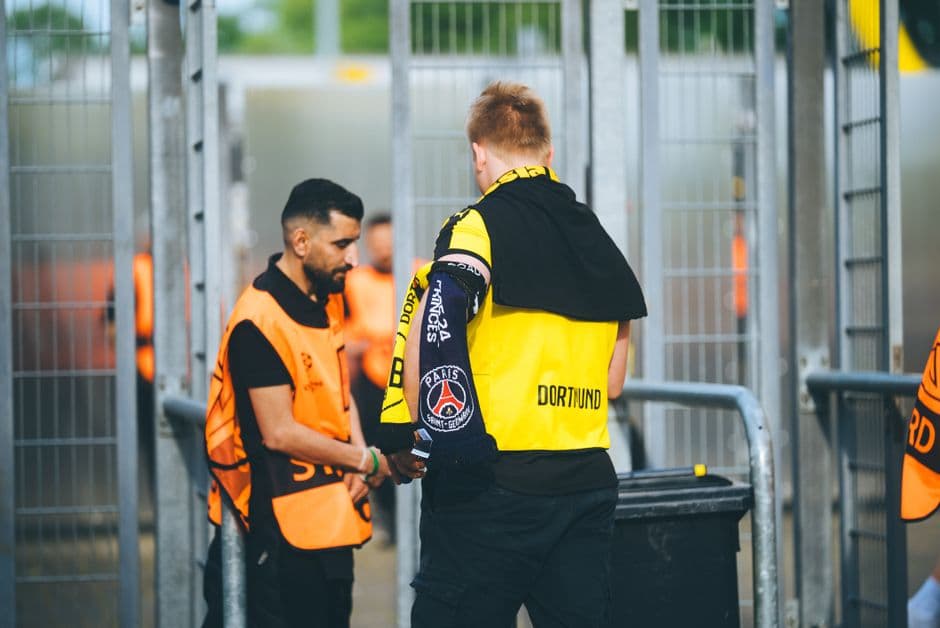
The last third of most run sheets is the bit the overseas guides skip: the door. Getting 300 people from the footpath into the room is its own act, and it belongs on the sheet with a time and a name against it.
A recurring club night I know ran check-in off a printed list every month. Every month, same thing: one person scanning names down a page, a bottleneck at the door, and a queue that reached the car park while the room sat half-empty inside. They assumed that was just what doors felt like. It wasn't. They switched to QR scanning on a phone, check-in went from a name-hunt to a beep, and the queue problem didn't come back the next month or the one after. One change, fixed once.
So on your run sheet, the door line isn't just "doors open". It's "scanners on and tested at 6:30", "second scanner ready if the queue banks up", and "comps and the door list in the same place as the paid tickets". That last one matters more than it sounds. Run your guest list off a side spreadsheet and you'll gift a seat that's already sold, at the worst possible moment, in front of the person you gave it to. Keep check-in and the door list in one place and the whole gate line on the run sheet becomes one word: beep.
When you honestly don't need a run sheet
Now the part generic content never writes: sometimes you don't need one.
If you're running a 20-person trivia night in a mate's backyard, a run sheet is overkill. A note on your phone with three times on it is genuinely enough. The whole value of a run sheet is coordination across people, and if the "team" is you and one esky, there's nothing to coordinate. Don't build process for the sake of looking organised.
And you don't need a ticketing platform to make a run sheet, either. It's a table. A shared Google Doc or a printed page works fine, costs nothing, and updates live if you use the shared one. We sell ticketing, not schedules, and I'm not going to pretend a run sheet needs software. The moment a platform earns its place is the day of the event itself, when the doors line on your sheet is being handled by a scanner instead of a bottleneck, and the money's already landing in your account, our fee is a flat 3.95% + 95c per ticket, shown before checkout, not sprung at the card form. The run sheet stays free.
Event run sheet FAQ
What is a run sheet for an event? It's the timed, on-the-day schedule: every item from setup to pack-down with a time, a task, a location, and one person responsible. It's the document your crew holds during the event, not the plan that got you there.
What's the difference between a run sheet and a running order? A running order is just the sequence of acts or segments (support, then headliner, then encore). A run sheet is the whole day around that order, including bump-in, doors, the bar, and pack-down. The running order is a line or two inside the run sheet.
Run sheet or running sheet, which is right? Both. "Run sheet" is more common at gigs and in production; "running sheet" turns up more at weddings and in council templates. Same document, pick one and be consistent so your team isn't searching two names.
What should a run sheet include? Time, task, location, the person responsible, and a notes column for the detail that saves the moment. Add doors and start time as separate lines. Anything beyond five or six columns usually gets ignored on the day.
How far in advance do I write it? Draft it a week out so you can spot gaps, then lock it the day before. Send the final version to everyone the morning of. A run sheet nobody's read is just a document.
Who should get a copy? Everyone with a job on the day: crew, bar, door staff, the venue contact, key volunteers. One shared source of truth beats five slightly different printouts. If you change a time, change it in the one place.
Do I need a run sheet for a small event? Not always. Under about 20 people with no crew, a note on your phone will do. The value kicks in the moment more than one person needs to know what happens next.
Can I run check-in off the run sheet? The run sheet tells you when doors open and who's on them, but scan tickets with a proper QR check-in rather than ticking names off the sheet by hand. A printed list at the door is how the queue reaches the car park.
Still stuck? Give us a call
If it's the afternoon of your event and your run sheet has just revealed that three things are scheduled for 7pm and one of them is you, that's a solvable problem, and a familiar one. Email support@ticketted.com or call 0452 590 455. You'll get a real person, usually inside an hour, any day of the week. We'll help you sort the door line before it develops its own postcode. That's the whole point of a run sheet: everything on the day has a time against it, including the bit where you finally get to sit down.
Keep reading

40th Birthday Party Ideas: Themes, Surprise and Cost
40th birthday party ideas that go past the themes: plan a surprise, sort the guest list and RSVPs, decide who pays, and the Australian liquor and budget bits.

Kids Birthday Party Ideas: Themes, Headcount and Cost
Kids birthday party ideas that go past the themes: pick the guest list first, get an RSVP the caterer can trust, sort who pays, and a rough Australian budget.

Event Sponsorship: How to Get Sponsors for a Small Event
How to get event sponsorship for a small or community event in Australia: what sponsors want, realistic tiers, where to find them, and the GST and tax bits.
More where this came from
Ticketted guides on pricing, payouts and packing rooms out, straight to your inbox. No spam, unsubscribe anytime.
No spam, unsubscribe at any time.