How to Reduce No-Shows at Your Events (Without Nagging Anyone)
My first sold-out show taught me that "sold out" and "full room" are two very different things. We sold every ticket. Then about a third of the room ghosted me on the night, which is a magic trick nobody bought a ticket to watch.
If you want to reduce no-shows at events, here is the short version before you read the long one: remind people the day before, give them a small reason to actually turn up, and make arrival painless. Most of it is free. None of it involves guilt-tripping your punters into showing.
First, work out what "normal" looks like for you
Everyone wants a magic number. "What's a good no-show rate?" Fair question. The honest answer is that anyone who quotes you a single national figure is guessing, because a free Tuesday webinar and a paid Saturday gig live in completely different universes.
So measure your own. Take the number of tickets you scanned at the door against the number you sold. That ratio, tracked across a few events, is the only benchmark that means anything. The dashboard does this for you, but a notepad works too. A good no-show rate is simply "lower than last time." Chase that, not a stat you read on someone's listicle (present company included).
Why your punters don't actually show up
Nine times out of ten, a no-show isn't a snub. It's a calendar.
Someone buys three weeks out, full of good intentions. Then life fills the diary, a birthday lands on the same night, and the event they were genuinely excited about becomes a line they forgot they wrote. They don't remember it mattered. Nobody nudged them. And if the ticket was free, bailing costs them exactly nothing, so the internal maths is easy.
Once you see it as "people forget and nothing reminds them" rather than "people are flaky," the fixes get obvious. You're not changing anyone's character. You're just showing up in their pocket at the right moment.
Send the reminder 24 hours out. That's the whole trick.
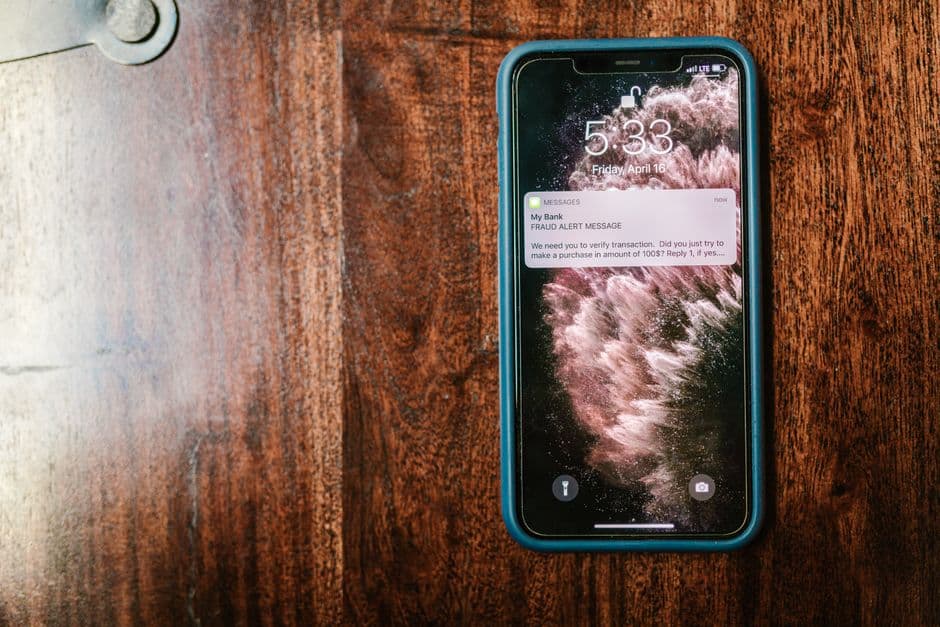
If you do one thing on this list, do this. Send a reminder the day before. No-shows drop hard when people get nudged 24 hours out, and it costs you nothing but the two minutes it takes to schedule.
Here's the bit most organisers miss: the same reminder that fills your room also quietly kills chargebacks. Most disputes I see trace back to the same tiny thing. A buyer pays three weeks out, sees a business name they don't recognise on their statement, and disputes it on reflex. A reminder the day before keeps the purchase fresh, so the charge reads as "oh right, the thing tomorrow" instead of "who took my forty bucks." One email, two problems handled.
You can go further with a light cadence: one email a week out, one the day before, a text on the morning of. Don't overdo it. Three touches is a reminder. Seven is a reason to unsubscribe. If you're sending texts, keep them clean and give people a way out, because reminder messages still sit under the Spam Act rules the ACMA sets out here. (Yes, even the nice reminders.)
A quick aside on timing culture: half my extended family still rolls in at the interval regardless of what the ticket says. I've made peace with it. You should plan for it too, which brings us to publishing your times properly, further down.
Give people something small to lose
Free events no-show the most, and it's not because the people are worse. It's because there's nothing on the line. A ticket someone paid for is a ticket someone is far more likely to use.
You don't need to make it expensive. A five-dollar ticket does most of the psychological work of a fifty-dollar one. It converts "maybe I'll swing by" into "I've paid, I'm going." For community or member nights, a small refundable deposit does the same job without feeling like a cash grab. If you want to see what any price does to your take-home before you set it, the event fee calculator will show you the all-in numbers in a few seconds.
For the record, our fees are the same flat deal whichever way you go: 3.95% + 95c per ticket for paid events, and genuinely $0 for free ones, with no per-ticket fee sprung on your buyers at the last screen. So charging a small amount to cut no-shows doesn't quietly hand a chunk to the platform. (If you're weighing whether to run it free at all, I wrote a whole take on "free" event ticketing that gets into it.)
Write a refund policy people can actually use
This is the bit the big listicles skip, and it's the one that saves your headcount.
Counterintuitive but true: making it easy to cancel reduces the pain of no-shows. A person who can hand their ticket back gives you an accurate number to plan catering and staffing around. A person who can't just doesn't turn up, and you're catering for a ghost. Silence is the expensive outcome, not the cancellation.
So set your policy before you sell ticket one. Write it, publish it, and link it at the checkout so nobody's surprised. On our side, the ticket face value is refundable to whatever rule you set, while platform fees are non-refundable, and it all lives on one refund policy page buyers can read before they buy. If you want the ground rules for what you legally have to offer, the ACCC's consumer guarantees are the plain-English version. "We'll figure it out" is not a refund policy. It's a great way to spend a Sunday arguing on email.
Make the day itself boring, in the best possible way
Some no-shows are really "showed up, gave up." They found the venue, saw a queue to the car park, and went home. That one's on the door, not the diary.
Publish your doors time and your start time separately, because your run sheet is not the same as when people actually arrive. Send the address, the parking situation, and the nearest station in the confirmation, so nobody's circling the block at ten to eight. And scan tickets on a phone at the door instead of hunting names down a printed page. QR check-in turns the queue into a beep, and the punters who did show up don't spend your headline act standing outside. The check-in and event tools handle this out of the box, but honestly, any phone scanner beats a clipboard.
When a few no-shows just aren't worth fixing
Here's the part a ticketing company isn't supposed to say. Sometimes the fix costs more than the problem.
If you're running a free trivia night for forty regulars at the local, you don't need deposits, cadences, or a refund policy. You need a group text and a rough headcount. Three people flaking on a casual RSVP night is not a crisis, and building a whole system to claw them back is effort you'll never get paid for. Fix the thing that's actually bleeding you. A sold-out paid show running a third empty is a real problem. Four mates skipping darts night is a Tuesday.
Match the effort to the stakes. That's the whole rule.
No-show questions I get asked a lot
What's a good no-show rate for events? There's no universal number worth trusting. Free events run higher, paid events lower, and it swings with the day, the weather, and the lineup. Track your own scanned-versus-sold ratio and aim to beat your own last event.
Why do free events have more no-shows than paid ones? Because bailing on something free costs nothing. A paid ticket, even a cheap one, turns a soft "maybe" into a committed "I've paid, I'm going." Skin in the game does the heavy lifting.
Do reminder emails actually reduce no-shows? Yes, and it's the cheapest tool you've got. A nudge 24 hours out catches the people who bought weeks ago and simply forgot. As a bonus, it cuts chargebacks by keeping the charge fresh in their memory.
Should I charge a deposit to cut no-shows? For member nights, community dinners, or anything with a per-head cost, a small refundable deposit works well. You don't need much. Even a token amount flips the psychology from casual to committed.
How do I stop no-shows at a free event? Add a reminder the day before, cap the numbers so a spot feels earned, and consider a nominal ticket price instead of a pure RSVP. If it's a small casual event, though, a text and a headcount might genuinely be enough.
When should I send the reminder? One the day before is the non-negotiable. A gentle version a week out and a short text on the morning of help too. Keep it to a few touches, not a barrage.
Does a waitlist reduce no-shows? Indirectly, yes. A visible waitlist makes the spot feel earned rather than disposable, and it lets you refill seats that free up when someone cancels early, which is another reason to make cancelling easy.
Can I do anything on the day itself? Plenty. Publish doors and start times separately, send clear directions, and scan tickets on a phone so the people who came aren't punished with a queue. A smooth door is its own retention tool.
Still losing seats? Give us a call
If your on-sale went great and your room still looks half-empty, that gap is almost always fixable, and usually with a reminder you're not sending yet. Happy to look at your setup and tell you which lever is worth pulling.
Email support@ticketted.com or call 0452 590 455. We answer in under an hour, any day of the week, and you'll get a person who knows the system rather than a ticket number. We'll help you sort the reminders and the door list. We'll also, probably, tell you a pun my daughter has legally disowned. Consider that a bonus, not a warning.
Keep reading

40th Birthday Party Ideas: Themes, Surprise and Cost
40th birthday party ideas that go past the themes: plan a surprise, sort the guest list and RSVPs, decide who pays, and the Australian liquor and budget bits.

Kids Birthday Party Ideas: Themes, Headcount and Cost
Kids birthday party ideas that go past the themes: pick the guest list first, get an RSVP the caterer can trust, sort who pays, and a rough Australian budget.

Free Event Ticketing in Australia: Is "Free" Really Free?
"Free to publish" usually means free to you, not your buyers. Our take on free event ticketing in Australia, and why a free event should genuinely cost $0.
More where this came from
Ticketted guides on pricing, payouts and packing rooms out, straight to your inbox. No spam, unsubscribe anytime.
No spam, unsubscribe at any time.